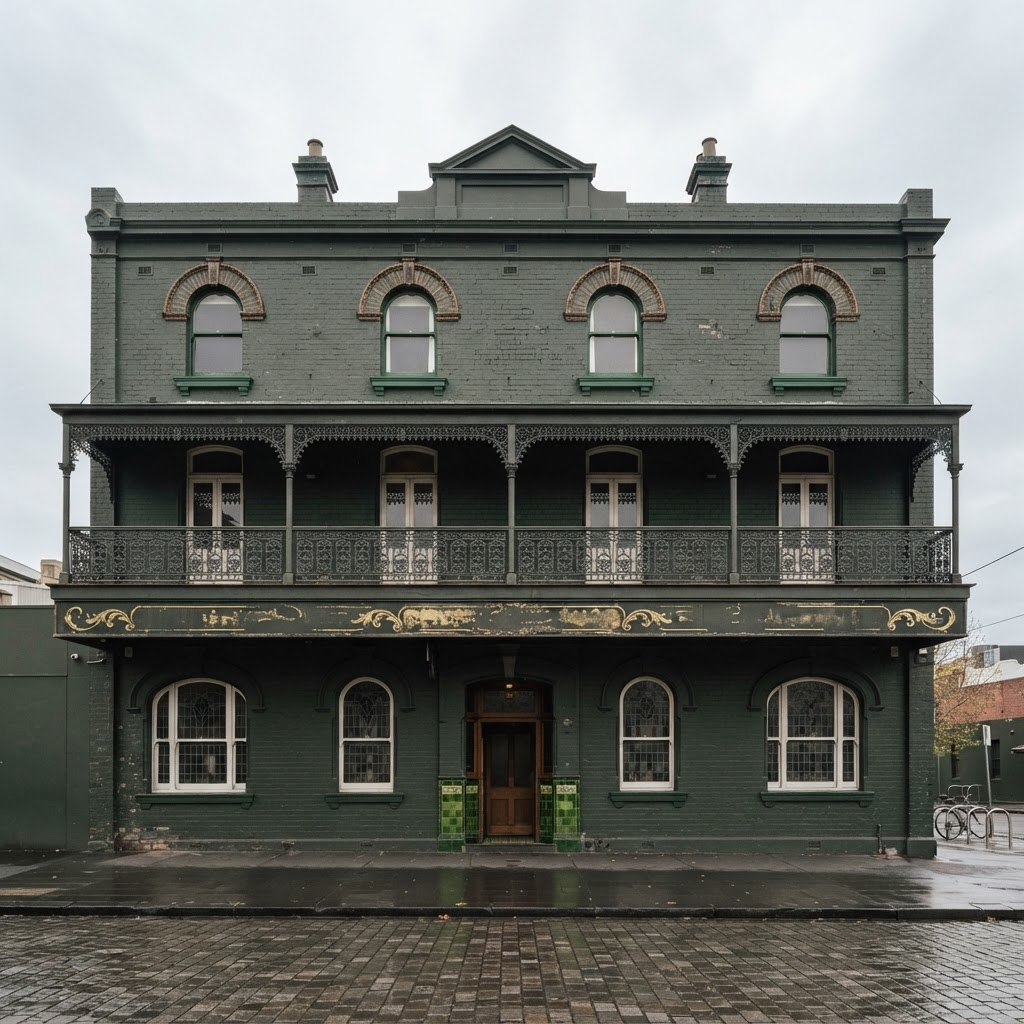
Value-Add / Active Ownership
Neighbourhood Opportunities
A value-add strategy focused on hospitality businesses and freehold going concerns where active ownership, capital investment and stronger operating systems can create material improvement.
- Strategy 01
- Australian hospitality
What this strategy does
Neighbourhood Opportunities acquires control of hospitality assets that are fundamentally sound but not performing at their potential. That gap is usually operational rather than structural: undercapitalised venues, owners approaching succession, businesses run without contemporary systems, or assets where the physical offer no longer matches the catchment.
We underwrite the operating business and the real estate as two connected assets, then take responsibility for the work required after completion. Improvement is executed through our operating platform rather than delegated to a third-party manager.
Lifecycle
- Acquire
- Strengthen
- Invest
- Improve
- Revalue
Typical opportunities may include
- Freehold going concerns
- Operating businesses
- Quality leaseholds
- Succession-led transactions
- Undercapitalised venues
- Venues with identifiable operational upside
Vehicle information
This page describes an investment strategy. No fund, trust or financial product is currently offered through this website. Where a vehicle is established, information will be made available only to eligible wholesale and sophisticated investors through formal offer documentation.
Register interestAcquisition criteria
Every opportunity is assessed against the same criteria before it reaches the investment committee.
- Defensible catchment and recurring local demand
- Quality of underlying land and improvements
- Normalised earnings that can be evidenced, not assumed
- Identifiable operational upside within our capability
- Licensing and entitlement position
- Capital expenditure requirement understood before completion
- Credible downside case
Sources of improvement
Value creation is deliberate and specific to each venue. It typically draws on some combination of the following.
- Management and team capability
- Trading structure and offer
- Pricing and menu engineering
- Procurement and supplier terms
- Labour model and rostering
- Marketing, CRM and loyalty
- Targeted capital expenditure
- Revenue diversification across the venue
Exit optionality
We do not underwrite to a single mandated exit. Optionality is preserved so that realisation can respond to market conditions.
- Refinance following stabilisation
- Hold for income
- Individual asset sale
- Portfolio sale
- Transfer to a longer-duration vehicle
- Recapitalisation
Value creation
Where improvement is expected to come from.
At acquisition
- Normalised earnings established
- Capital expenditure scoped
- Operating gaps documented
- Downside case tested
Under management
- Operating systems installed
- Team and management strengthened
- Capital works executed
- Offer repositioned to catchment
On stabilisation
- Earnings quality improved
- Property and business value reassessed
- Financing capacity revisited
- Realisation pathway selected
Execution
Delivered through the operating platform.
Neighbourhood Capital
Capital discipline
- Capital allocation
- Acquisitions
- Financing
- Portfolio strategy
- Governance
- Investor reporting
- Asset management
Neighbourhood Venue Co.
Operating capability
- Local operations
- Management support
- Procurement
- Performance systems
- Marketing
- CRM and loyalty
- Data
- People
- Capex execution
Local Venue Teams
Venue execution
- Customers
- Hospitality
- Community
- Culture
- Venue execution
Risk considerations
What an investor is accepting.
- Operating risk, including the risk that trading performance does not improve as intended
- Execution risk on capital works, including cost and timing
- Licensing, planning and regulatory risk
- Financing and interest rate risk
- Valuation risk on both the business and the real estate
- Illiquidity and the risk of loss of capital
Relevance
Who this strategy is relevant to.
- Investors seeking active, control-oriented private markets exposure
- Investors comfortable with operating risk alongside real estate risk
- Investors with a medium to long-term horizon and tolerance for illiquidity
Strategy descriptions describe intended investment activity. They do not constitute an offer of a financial product and no return, income or performance outcome is implied or guaranteed.
Next step
Enquire about Opportunities.
Enquiries are treated confidentially. Detailed information is made available only to eligible wholesale and sophisticated investors.
General enquiries: enquiries@neighbourhood.capital
Australian Hospitality · Private Markets · Real Assets